
Asbestos re-inspection surveys

Re-inspection surveys are carried out periodically to ensure that any asbestos containing materials (ACMs) identified in previous surveys are still in a safe condition and have not deteriorated.
Over time, asbestos containing materials can degrade, become damaged, or be disturbed during building activities. Re-inspection surveys are designed to track changes in the condition of any identified ACMs and ensure there is no risk of exposure from asbestos fibres.
The need for re-inspection is particularly important in businesses that regularly undergo maintenance or experience wear and tear due to high foot traffic. High use of the space or renovations can cause asbestos containing materials to be damaged or deteriorate faster than those in hard-to-reach areas, so re-inspection may be required more frequently.
When are re-inspection surveys needed?
Following an asbestos management survey, you will know exactly where any asbestos containing materials are and what condition they are in. If these materials are in a good condition and are not likely to be disturbed, they are safe to remain. However, they will require regular re-inspection to ensure nothing changes that could increase their risk.
Annual re-inspections are suitable for buildings where asbestos has been identified but the conditions are good. In more high-risk environments, the re-inspection schedule will need to be more frequent. If you have an old building or one that is subject to regular disturbances, surveys will need to happen more regularly.
Your asbestos management plan (AMP) will outline the frequency in which you need to have an asbestos surveyor come to inspect the property. If you are planning any work on site, you will also need to have a refurbishment or demolition survey done to ensure the materials pose no risk.
What does a re-inspection survey include?
A re-inspection survey is much less intrusive than a refurbishment or demolition survey, as it aims to assess the condition of previously identified ACMs, rather than looking for others in inaccessible areas.
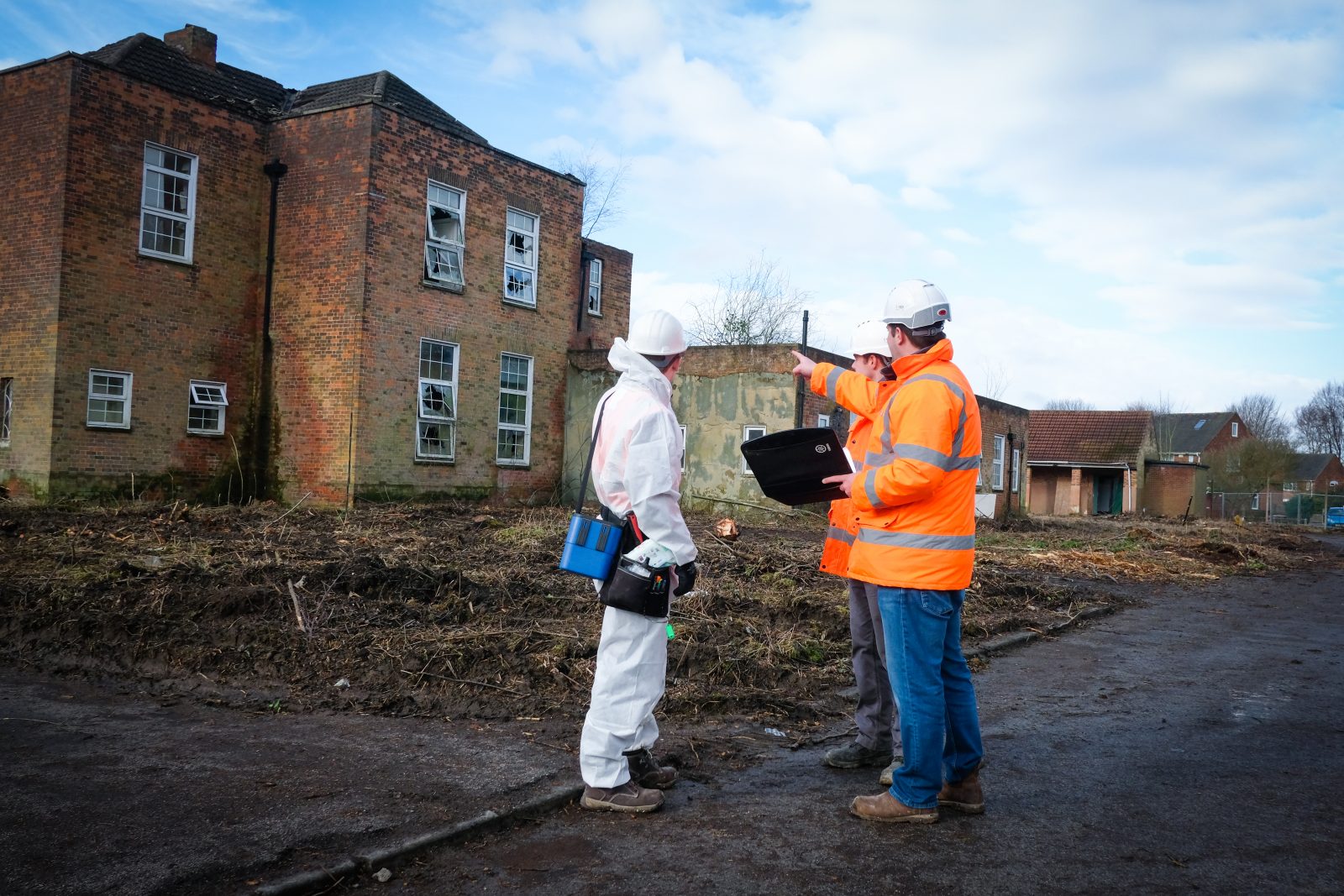
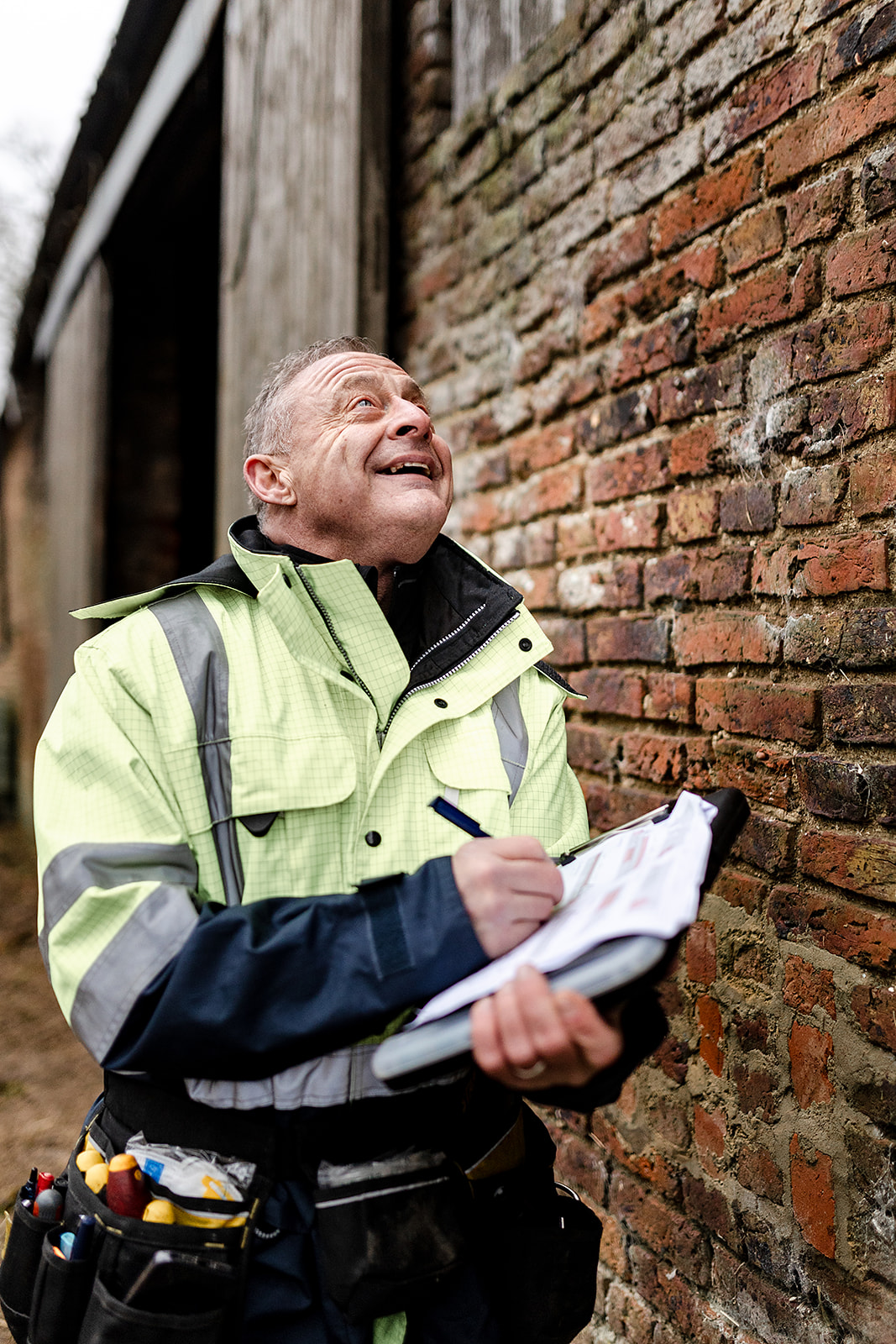
Once on site, an asbestos surveyor will visually inspect all known ACMs. They will check for damage, wear or degradation of the materials that could change the risk level they pose. This information will then be updated on the asbestos register.
If the ACMs are in poor condition or have been disturbed, the surveyor will suggest further action, such as repair, removal, or additional precautions. They will work with you to review your asbestos management plan to ensure it reflects the most up-to-date recommendations for ACMs on the site.
The findings and any required actions from the re-inspection survey should be communicated to all relevant parties. The asbestos duty holder will need to advise building managers, maintenance staff and contractors about the changes.
Your asbestos management plan
Following an asbestos inspection, the surveyor will help you to create your asbestos management plan (AMP). This crucial document will outline all your legal responsibilities re-inspection schedule, and actions that are being taken to make sure the asbestos containing materials are not a risk.
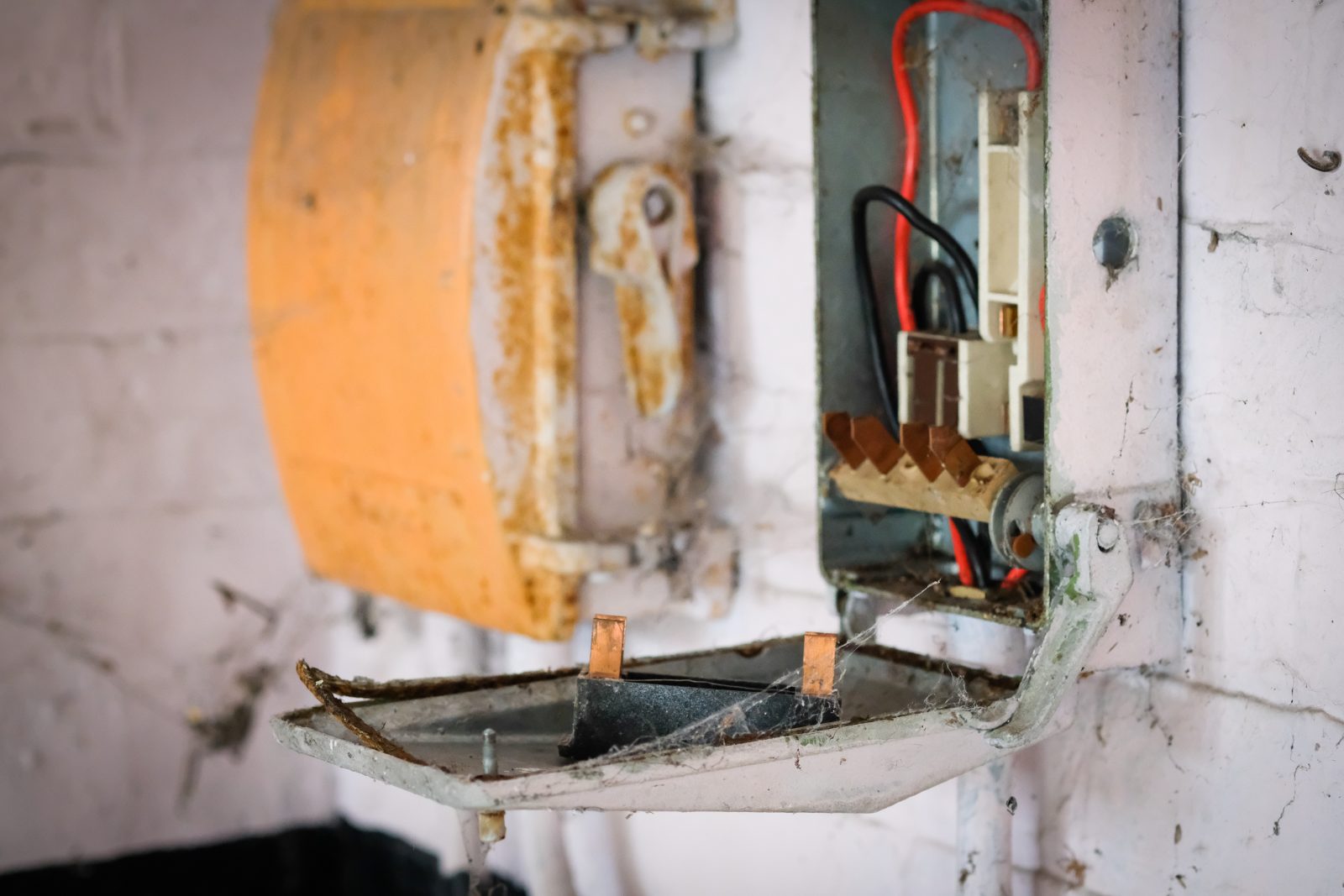
Included in your asbestos management plan will be details of any asbestos containing materials, their location and type. Each will have a risk assessment based on current condition, determining if they are a potential hazard.
Any control measures and recommended actions will also be clearly outlined in this plan. These steps will help you maintain the good condition of ACMs and the health of everyone on site. It may include recommendations for sealing or encapsulating ACMs where appropriate, advice on where to implement asbestos warning signs, and suggest training solutions for staff who are regularly working near the ACM.
If asbestos containing materials are in an area that is at risk of being disturbed during normal occupancy, you will also have an action plan included. This will have information for what to do in an emergency and offer advice for remediation or the safe removal of the material.
Your legal obligation to re-inspect
Under the Control of Asbestos Regulations 2012 (CAR 2012), re-inspection surveys are an essential part of managing the ongoing risks associated with asbestos in buildings. These surveys are required to ensure that when asbestos containing materials are left in place, they are monitored regularly to prevent exposure to harmful asbestos fibres.
These surveys must be completed by a fully trained, accredited asbestos surveyor. They must have the qualifications and experience to assess the condition of ACMs and advise on the appropriate next steps for managing any risks.
AMC Asbestos surveyors are fully accredited, emphasising our commitment to asbestos health and safety. We have been working across the UK and Ireland supporting businesses, educators and public services to ensure the safety of everyone who works in and visits their premises for over a decade. If you suspect there is asbestos present in your buildings, please get in touch.